Welcome to our websites!

7 Tips for Buying a Band Saw BS712N

Buying a Band Saw Bs712n should involve more than comparing prices and reading a short product description. This horizontal metal-cutting saw is often chosen for workshop repairs, fabrication, and small production tasks. Yet its usefulness depends on fit, condition, and setup. A compact machine may handle tubing well but struggle with thick solid steel. That difference matters.

Bandsaw educator Mark Duginske captures one essential principle: “The blade is the heart of the bandsaw.” His observation explains why blade width, tooth pitch, and material compatibility deserve careful attention. A worn blade can make a capable saw appear weak. It may wander, overheat, or leave a rough cut. Check the blade condition closely. Look for missing teeth, uneven wear, and poor welds.

This guide presents seven practical tips for buying a Band Saw Bs712n. It examines cutting capacity, motor performance, vise alignment, blade availability, coolant use, electrical requirements, and replacement-part support. It also considers whether a used machine has been maintained properly. A clean frame does not guarantee accurate operation. Listen for unusual gearbox noise. Test the feed mechanism slowly. Inspect the wheels, guides, and table for damage.

Some details remain easy to overlook. The listed capacity may assume a particular blade and cutting position. Real workshop results can differ. I would not rely on photographs alone. Ask for a test cut, if possible. Measure the finished cut rather than trusting appearance.

A good purchase is not always the cheapest one. It is the machine that matches your materials, space, skills, and maintenance tolerance. Even experienced buyers can miss something. That is worth remembering.
7 Tips for Buying a Band Saw BS712N

Understanding the BS712N’s Design, Capacity, and Intended Uses

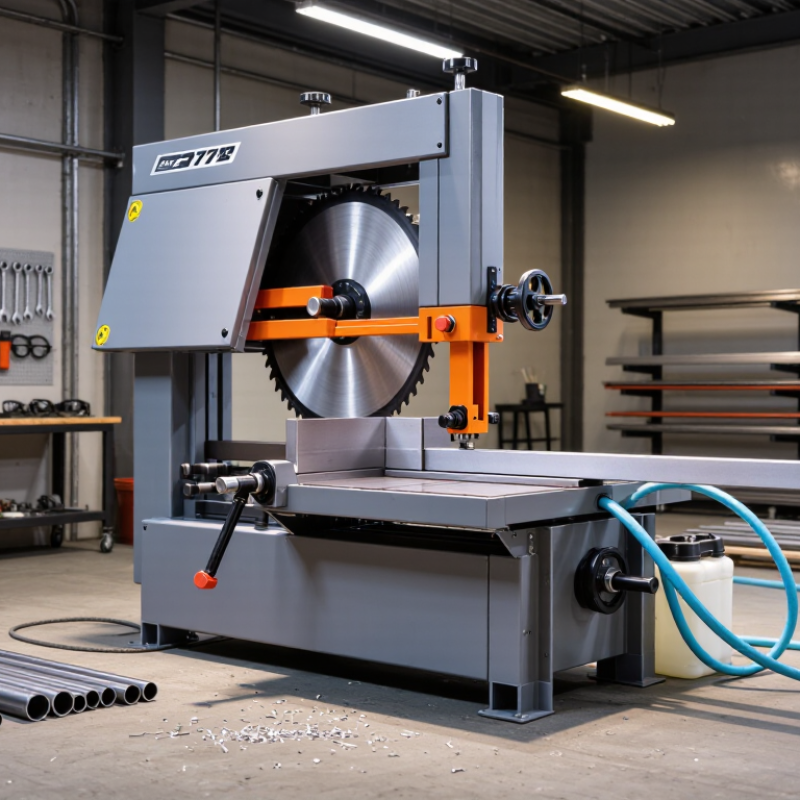
A BS712N-style horizontal bandsaw is built for controlled, repeatable cuts in solid metal stock. Its frame, vise, blade guides, and coolant system work together to limit blade wander and heat. Many machines in this size class advertise capacity near 7 inches round or 7 by 12 inches rectangular, but confirm the specific unit’s manual and cutting angle. Capacity changes with material shape and vise position. A thick-walled tube may fit differently from a solid bar.

Tip: Match the blade pitch to the workpiece. Fine teeth suit thin-wall tubing; coarser teeth help clear chips from thicker stock. Set the vise firmly, and check that the blade tracks correctly before cutting. Small setup errors matter. I have seen a neat-looking setup still produce a rough, angled end.

For context, the U.S. Bureau of Labor Statistics reported a 2.8 recordable-injury-and-illness rate per 100 full-time equivalent workers in manufacturing in 2023. That figure is not specific to bandsaws, but it reinforces the value of guarding and sound work practices. Keep hands clear of the blade path, secure short offcuts, and never force the feed. Tip: Before buying, measure your most common stock and check the machine’s footprint, power requirements, and blade availability. The advertised capacity is only part of the fit.

Checking Cutting Performance, Blade Compatibility, and Adjustability

A BS712N bandsaw should be judged by the cut it produces, not just its motor rating. Test a square steel offcut and check the cut face for taper, chatter marks, and rough edges. Keep the workpiece firmly clamped. A blade that wanders may signal poor tension, dull teeth, or incorrect feed pressure—not necessarily a weak machine. Small test cuts reveal more than a quick glance.

Blade compatibility deserves a careful check. Compare the machine’s specified blade length, width, and thickness with the blade you plan to use. Then match tooth pitch to the material and section size. Too few teeth can snag thin stock; too many may clog during a heavy cut. Check the manufacturer’s manual rather than guessing. A practical detail: confirm that the blade tracks centrally on both wheels after tensioning. It is easy to overlook.

Adjustability affects accuracy over time. Inspect the vise for smooth movement, secure locking, and repeatable angle settings. Set a common angle, make a test cut, and verify it with a reliable square or protractor. The ANSI B11.10 metal-sawing machinery standard addresses design and safeguarding requirements, useful context when assessing machine features. For broader workshop risk context, the U.S. Bureau of Labor Statistics reported 2.4 recordable injury cases per 100 full-time private-industry workers in 2023; that figure is not specific to saws, but reinforces the value of sound guarding and setup. Check adjustments under real working conditions. A little play matters.

Evaluating Motor Power, Build Quality, and Safety Features

When evaluating a BS712N band saw, look beyond the motor’s headline rating. Match its power to the materials and cutting pace you actually expect. Dense stock can slow an undersized motor, especially during long cuts. Listen for steady operation, and check whether the machine’s specifications explain its intended workload. Numbers help, but they do not tell the whole story.

Build quality shows up in details you can inspect. Check that the frame feels rigid, the table sits level, and the blade guides adjust without sticking. A little looseness matters. It can affect tracking and cut accuracy. Look at the welds, fasteners, and finish; rough spots are not automatic deal-breakers, but they deserve a closer look. I would also consider whether routine blade changes and adjustments are accessible. That part is easy to overlook.

Safety features should be practical, not just listed on a product sheet. Look for a blade guard that adjusts smoothly, clear controls, and a stable base that resists movement. Check how quickly the machine stops after switching off, if that information is available. Keep hands clear. Read the manual before setup, and confirm that guards remain in place during normal use. Even a well-built saw can cut poorly—or unsafely—if its blade is misaligned. I’ve seen careful buyers rush that check. Regrettably, it is worth taking the extra minute.

Comparing Price, Included Accessories, and Long-Term Maintenance

7 Tips for Buying a Band Saw BS712N

A low sticker price can hide useful costs. Compare the delivered price, warranty terms, and availability of replacement blades before deciding. Check the stated cutting capacity against the stock you actually handle; a machine that barely fits your largest workpiece may slow every job. Ask for an itemized list of included accessories. A coolant system, stand, or extra blade can change the real value, but only if they are genuinely included.
Tips: Inspect the vise, blade guides, and power cord before purchase. Confirm the manual specifies blade dimensions and tensioning steps. Small details matter. If buying in person, check that the frame and table sit square, and ask how the saw was stored or demonstrated. A used machine may look clean while hiding worn guide bearings. I once underestimated how much setup time a rough vise could add; it was an easy detail to miss.
Plan maintenance costs, not just the purchase. Keep blades clean, check tension as directed, and clear metal chips from the guides after cutting. Follow the manual for lubrication and coolant care, since requirements vary by configuration. Budget for consumables and occasional service. A simple maintenance log helps reveal recurring problems. Be realistic, though: even careful upkeep cannot correct poor alignment or unsuitable blade selection. Verify parts support before committing, especially if the saw will be essential to daily work.

Confirming Workspace Requirements, Warranty Coverage, and User Support

Before buying a BS712N band saw, measure the space where it will actually sit. Allow room to feed long stock, open covers, and reach the controls without twisting around a wall. Check the machine’s footprint against your bench, then consider its weight and how you will move it safely. A clear aisle matters. So does lighting: shadows can make it harder to follow a cut line. I once underestimated the room needed for longer pieces; the saw fit, but the work did not. Measure your longest planned material, not only the saw.

Read the warranty terms before checkout, and save a copy with your receipt. Confirm how long coverage lasts, which parts are included, and whether wear items or adjustments are excluded. Ask how to request service and who pays for shipping if a covered repair is needed. Details vary. User support deserves the same scrutiny. Look for accessible setup guidance, blade-tension instructions, and a real contact route for troubleshooting. Ask whether replacement parts are available and how quickly questions are usually answered. A manual may seem adequate until a tracking issue appears. I may be overcautious, but unclear support can turn a small adjustment into a frustrating delay. Keep written answers; memory is unreliable.

7 Tips for Buying a Band Saw BS712N - Confirming Workspace Requirements, Warranty Coverage, and User Support

Tip What to Check How to Verify Useful Evidence
1. Confirm the exact model configuration Capacity, included accessories, and specifications can differ between listings or regional versions. Compare the seller’s written specification sheet with the machine’s nameplate and user manual before ordering. Model-specific manual, specification sheet, and itemized quotation.
2. Measure the workspace Machine footprint, access for loading stock, room for maintenance, and clearance around moving parts. Measure the intended floor area and compare it with the machine’s published dimensions; allow additional room for operation and servicing. Dimensioned layout, delivery route measurements, and installation instructions.
3. Check workpiece capacity and support Maximum cutting capacity depends on the machine’s stated limits and the shape and material of the workpiece. Confirm the published capacity for the cuts you plan to make, and arrange stable infeed and outfeed support for long stock. Capacity chart, sample-workpiece dimensions, and support-stand plan.
4. Verify power and installation needs Supply voltage, phase, current requirements, plug or wiring arrangement, and any installation requirements. Use the exact machine nameplate and manual; have a qualified electrician check the site supply if the requirements are unclear. Nameplate details, manual, and confirmation of the workshop’s electrical supply.
5. Review the warranty in writing Warranty period, covered components, exclusions, labor or transport costs, and claim procedure. Read the warranty terms before purchase and confirm who handles claims in your location. Written warranty document and dated proof-of-purchase requirements.
6. Check user support and spare-parts access Availability of manuals, troubleshooting help, replacement blades, and service parts. Ask how support can be reached, what information is needed for a service request, and whether commonly replaced parts can be ordered. Support contact details, parts list, and manual access information.
7. Plan for safe operation and routine care Blade guards, emergency-stop arrangements, safe blade changes, cleaning, and maintenance access. Review the safety instructions and maintenance schedule, and ensure operators can use the machine with appropriate training and protective equipment. Safety section of the manual, maintenance schedule, and operator training plan.

Note: Confirm all model-specific dimensions, electrical requirements, capacities, and warranty terms against the documentation supplied for the exact machine being offered.

Send your message to us:

WhatsApp Online Chat !