Best Vertical Lathe Machines for Global Buyers in China?
The vertical lathe industry plays a crucial role in manufacturing sectors globally. According to a recent report by MarketsandMarkets, the global vertical lathe market is expected to grow significantly, reaching $2.3 billion by 2025. This growth reflects increasing demand for precision machining in various industries. Renowned industry expert, Dr. Howard Chen, emphasizes, “Investing in innovative vertical lathe technology is essential for maintaining competitive advantages.”
In China, buyers are particularly focused on high-quality vertical lathes that offer durability and efficiency. The rapid industrialization and technological advancements in the region have led to a surge in vertical lathe production. Nevertheless, not every manufacturer meets these standards, signaling a need for careful evaluation. Some machines may fall short, lacking in precision or operational longevity, which could affect overall productivity.
Considering the market dynamics, it is vital to analyze various options when selecting a vertical lathe. Buyers should prioritize reputable brands known for their cutting-edge technology and industry compliance. As the market evolves, staying informed about product specifications and supplier reliability becomes increasingly important to avoid costly investments that do not deliver.
Best Vertical Lathe Machines: Understanding Key Features and Specifications
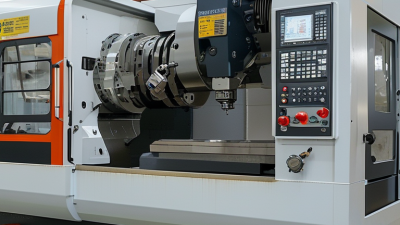
When selecting vertical lathe machines, key features play a pivotal role. One important aspect is the machine's rigid structure. A sturdy body enhances stability during operations. Stability prevents vibration, ensuring precision in machining. Buyers should scrutinize the materials used in constructing these machines. High-quality cast iron is often preferable.
Another vital specification is the spindle speed range. A wide speed range can accommodate various materials and applications. A machine capable of adjusting speeds allows for versatility. Additionally, consider the size of the worktable. A larger table supports bigger components, which can be beneficial in industrial settings.
Moreover, the ease of use matters a great deal. Operators should feel comfortable with controls and settings. Usability can affect productivity and reduce the chances of errors. However, many machines still face criticism due to complicated interfaces. Reflecting on these challenges helps buyers make informed decisions. The market offers numerous options, but understanding these specifications is crucial for optimal performance.
Global Market Overview: Demand and Supply of Vertical Lathes in China
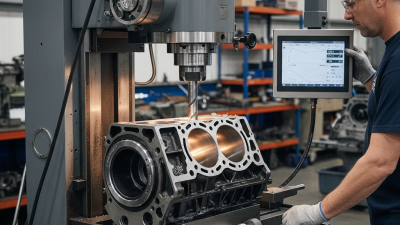
The global market for vertical lathes in China is evolving rapidly. Demand for these machines is robust, driven by industrial growth. Many sectors, such as aerospace and automotive, require precision machining. Vertical lathes offer efficiency and accuracy, making them a preferred choice for manufacturers.
Companies are increasingly looking for tools that can handle complex shapes and large components.
Supply of vertical lathes in China is keeping pace with this demand. Local manufacturers are enhancing their capabilities to produce high-quality machines. However, challenges remain. Some manufacturers struggle with technology transfer and quality control. The competitive landscape is fierce, with many players fighting for market share. This sometimes leads to inconsistencies in machine performance.
Buyers should pay attention to these factors when sourcing vertical lathes. Collaborating with reputable manufacturers is crucial. Understanding machine specifications is equally important. While many options exist, choosing the right machine is vital for operational success. Reflecting on these criteria can lead to better investment decisions in the long run.
Top Manufacturers: Leading Brands in Vertical Lathe Production in China
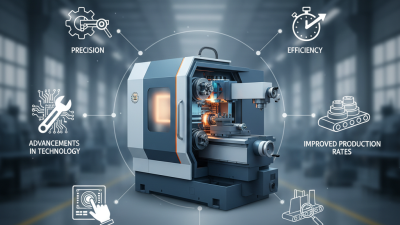
China has become a significant player in the global vertical lathe market. The country's manufacturing capabilities are impressive. Reports suggest that China's vertical lathe production has increased by around 15% annually. This growth reflects advancements in technology and the rise of skilled labor. Leading manufacturers in China have adopted innovative techniques for higher precision and efficiency.
The competitive landscape includes several top-tier manufacturers. They focus on producing vertical lathes that cater to various industries, including automotive and aerospace. Studies show that these machines typically enhance production rates by 20%. Such efficiency gains are crucial for companies aiming to reduce operational costs. However, not all manufacturers meet the same quality standards. Some have faced challenges in customer service and technical support, revealing areas for improvement.
Investing in vertical lathe machines requires careful consideration. Potential buyers should assess manufacturers' reputations and quality certifications. Many manufacturers claim to offer advanced features, but sometimes the reality does not match expectations. Buyers may encounter hidden costs during procurement or installation. Gathering insights from industry reports can help in making informed decisions. In this competitive market, ensuring reliability and support is essential for long-term success.
Technological Advancements: Innovations Shaping Vertical Lathe Machines
Technological advancements are continuously transforming the landscape of vertical lathe machines. Innovations in automation are enabling manufacturers to enhance precision and efficiency. For instance, the integration of smart sensors allows for real-time monitoring of cutting conditions. This helps optimize the machining process and ensures the highest standards of quality.
Another notable development is the introduction of advanced control systems. These systems utilize artificial intelligence to predict tool wear and adjust parameters accordingly. This not only prolongs the life of tools but also reduces downtime. However, reliance on such technology can sometimes lead to oversights, especially if operators lack proper training.
Sustainability is increasingly vital in machine design. Many new vertical lathes focus on energy efficiency, which can significantly reduce operational costs. While these machines offer innovative features, some users may struggle to adapt to the rapid changes in technology. Continuous learning and adaptation are essential to fully leverage these advancements.
Best Vertical Lathe Machines for Global Buyers in China
| Model |
Max Swing (mm) |
Spindle Power (kW) |
Table Diameter (mm) |
Control System |
Weight (kg) |
| Model A |
1200 |
45 |
1000 |
CNC |
4000 |
| Model B |
1500 |
55 |
1200 |
PLC |
5000 |
| Model C |
1000 |
30 |
900 |
CNC |
3500 |
| Model D |
1600 |
75 |
1400 |
CNC |
6000 |
Cost Analysis: Evaluating Pricing Trends for Vertical Lathes in the Industry
The market for vertical lathe machines is experiencing significant growth. According to recent industry reports, the global market size is expected to reach $1.2 billion by 2025, driven by increasing demand in automotive and aerospace sectors. China remains a major player, supplying advanced vertical lathes at competitive prices. The average price of these machines varies based on specifications and features, typically ranging from $20,000 to $100,000.
Various factors affect pricing trends. The rate of raw materials, technological advancements, and labor costs play crucial roles. Reports indicate that raw material costs have risen by 15% over the past year, influencing machine pricing. Additionally, improved automation features can increase the overall cost by 30%. However, buyers should consider the long-term ROI of investing in higher-end machines with better efficiency and durability.
While many buyers look for the most cost-effective solutions, it's essential to evaluate the machine's longevity and functionality. Cheaper alternatives may save money upfront but could lead to higher maintenance costs and reduced productivity. Reflecting on these aspects helps ensure a wise investment in vertical lathe technology.