How to Choose the Best Surface Grinding Machine for Your Needs?
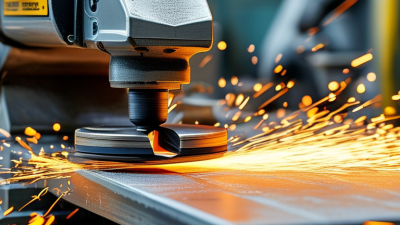
Choosing the right Surface Grinding Machine is crucial for achieving precision and quality in various manufacturing processes. This decision can impact productivity and final product specifications. Without a clear understanding of your needs, selecting the appropriate machine may become overwhelming.
Surface grinding machines come in various types and sizes. Each machine offers different features and capabilities. Knowing what to look for is essential to make a wise investment. Consider factors such as wheel size, motor power, and automation levels. These elements can significantly influence your grinding efficiency.
While many features seem attractive, it's essential to reflect on your actual requirements. Avoid getting swayed by trends or brand names. Focus on how the machine meets your specific grinding tasks. Don’t forget to evaluate maintenance and support options available for each machine. This can define your ongoing user experience and efficiency.
Understanding Your Surface Grinding Needs
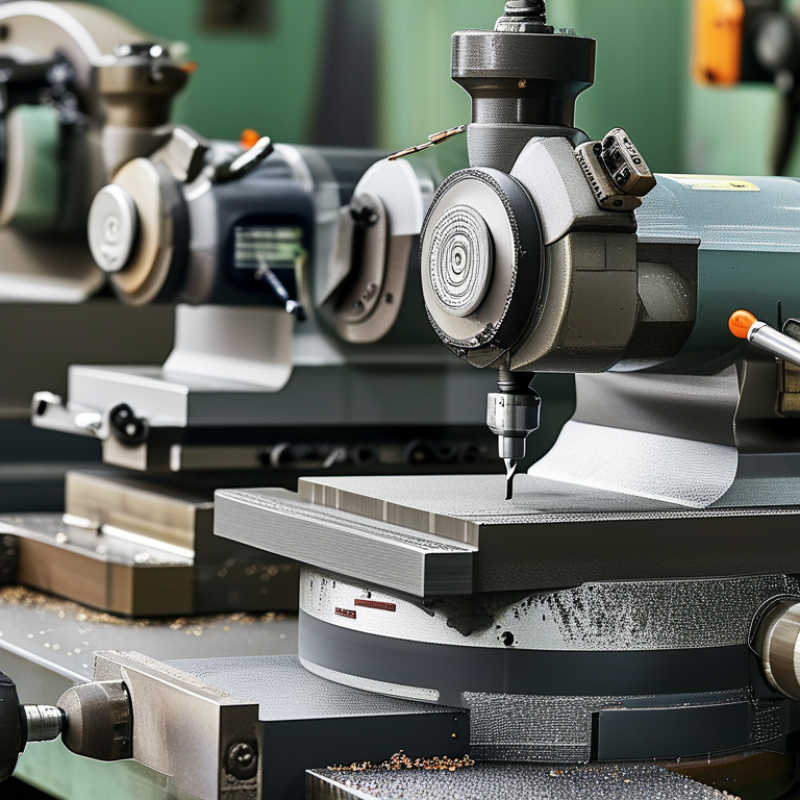
When considering surface grinding machines, it's vital to understand your unique needs. Different applications demand specific features. For instance, the size of the workpiece matters. A large part requires a machine with a big table and robust grinding capabilities. Smaller tasks can benefit from compact models that still deliver precision. Identifying these requirements shapes your search and ensures efficiency.
Additionally, think about the material you’ll be grinding. Softer materials may not need a heavy-duty machine. Conversely, harder materials demand powerful motors and durable wheels. Tools designed for specific materials can enhance performance but also come with a learning curve. It's essential to know whether you'll need flexibility or specialization for your projects.
Many users undervalue their current skill levels. Assess your expertise honestly. Beginners may feel overwhelmed by advanced machines. A simpler model might be more effective initially. As skills develop, upgrading can become a seamless process. Balancing these factors ensures you choose a machine that complements your capabilities and meets your grinding goals effectively.
Types of Surface Grinding Machines Available
When selecting a surface grinding machine, understanding the types available is crucial. There are several main kinds, each with unique features to cater to specific needs. For instance, horizontal spindle surface grinders are common in workshops. They provide precision for flat surfaces and can handle larger workpieces.
Vertical spindle grinders are another option. They excel at producing intricate shapes and finishing workpieces with great accuracy. These machines often come with a rotary table. This feature allows for better handling of complex geometries.
Additionally, specialized machines, like CNC surface grinders, offer programmable precision. However, they require skill to operate effectively.
A less common type is the creep feed grinder. This method removes material quickly, ideal for deep cuts. However, they can be overkill for simpler tasks.
Understanding these options will help you make an informed choice. Each type has its pros and cons, so careful consideration is necessary before investing.
Key Features to Consider for Optimal Performance
When selecting a surface grinding machine, several key features play a crucial role in ensuring optimal performance. A powerful motor is essential. It dictates how efficiently the machine can grind various materials. Look for machines with varying horsepower options. This allows for flexibility based on your specific needs.
The size of the grinding wheel also matters significantly. A larger wheel provides a wider surface area, enhancing production speed. However, smaller wheels can achieve finer finishes. It’s worth considering the material of the wheel as well. Different materials bring unique advantages, such as durability and consistency.
Another aspect to reflect upon is the machine's ease of use. A user-friendly interface makes training new operators simpler. Don't overlook the importance of maintenance features. Machines that are easy to clean and service save time. This ultimately contributes to the overall efficiency of your operations. Investing in a machine that is reliable but fits your workspace is vital, but be ready to dig deeper into specifications.
How to Choose the Best Surface Grinding Machine for Your Needs? - Key Features to Consider for Optimal Performance
| Feature |
Description |
Importance Level |
| Size of the Machine |
Must fit the workspace and handle the required workpieces. |
High |
| Wheel Size |
Larger wheels allow for faster material removal and longer usage. |
Medium |
| Motor Power |
Higher power enables grinding of tougher materials. |
High |
| Table Size |
Determines the maximum size of workpieces that can be processed. |
High |
| Accuracy |
Essential for producing precise components; often measured in microns. |
High |
| Ease of Operation |
User-friendly controls and automation features enhance productivity. |
Medium |
| Dust Collection System |
Helps maintain a clean workspace and improve air quality. |
Medium |
| Brand Reputation |
Established brands often provide better after-sale service and reliability. |
Low |
Evaluating Budget and Cost-Effectiveness
When selecting a surface grinding machine, evaluating your budget is crucial. A comprehensive understanding of costs helps in making informed decisions. Know how much you can allocate for the purchase and maintenance. Consider not just the initial price, but also ongoing expenses. These include replacement parts, consumables, and potential downtimes.
Cost-effectiveness plays a vital role in your choice. A more expensive machine may offer better precision and durability. However, if it exceeds your budget, it may lead to financial strain. Weigh the initial investment against long-term benefits. Some machines might appear cheaper but end up costing more in repairs or maintenance. Researching various options can reveal hidden costs that might affect your budget.
Look out for features that align with your specific needs. An expensive grinder with unnecessary features can lead to buyer's remorse. You may want basic functionalities that suit your operations. Balancing quality and budget requires careful consideration and research. Seek expert opinions or user reviews to avoid common pitfalls. A thoughtful approach to budgeting while choosing a surface grinding machine ensures a wise investment for your needs.
Budget vs. Features for Surface Grinding Machines
This chart displays the cost of different types of surface grinding machines based on their features and usability. The basic model is a cost-effective option for beginners, while mid-range options offer better features. High-end and professional models cater to advanced users with more demanding specifications.
Maintenance and Support for Longevity of the Machine
Maintaining a surface grinding machine is crucial for its longevity and performance. Regular checks on the machine's components can prevent major issues. Pay attention to lubrication, especially in moving parts. A droplet of oil can make a significant difference in smooth operation. Over time, wear and tear can occur. Sometimes, it’s unclear if a component needs replacement until there's a noticeable decline in performance.
Support services also play an essential role. Finding a trustworthy service provider can ease the burden of maintenance. It's wise to have a maintenance schedule in place. This schedule should include routine inspections and cleaning. Owners often overlook the importance of cleaning dust and debris. Neglect can lead to unexpected breakdowns, which can be frustrating and costly. It’s important to address minor problems before they escalate.
Training your staff to use and care for the machine properly cannot be emphasized enough. Knowledgeable operators can spot early signs of trouble. They can also ensure that the grinding process is efficient. Overlooking the importance of operational training can lead to mistakes. Mistakes can cause wear that affects the machine's next performance. Investing in maintenance and training will ultimately save time and money.