
What Are the Top 10 Bench Top Metal Lathes?
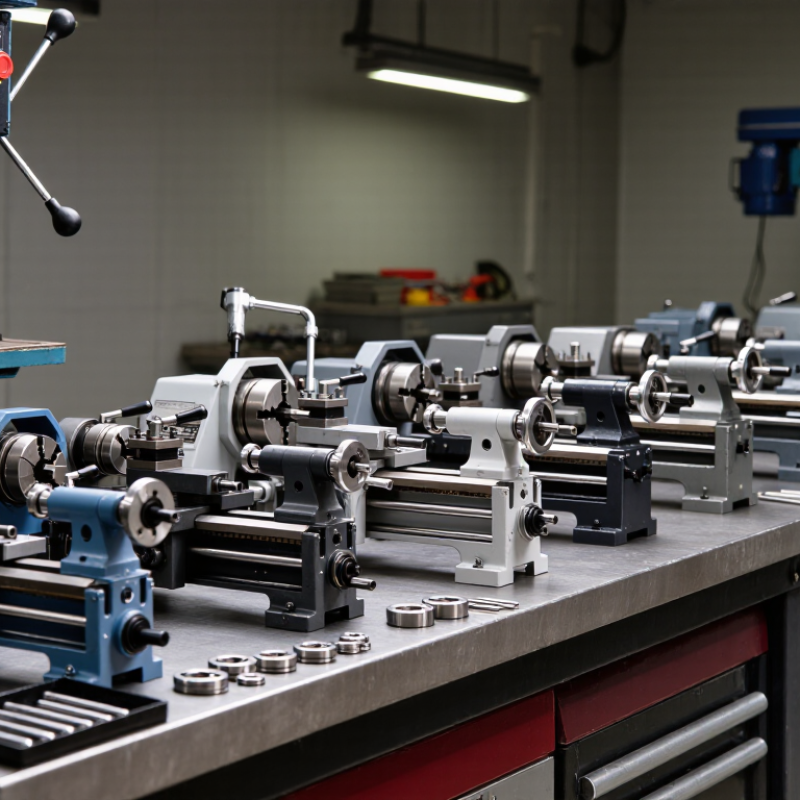
Choosing a Bench Top Metal Lathe is less about finding one universal winner and more about matching a machine to real workshop needs. A compact lathe may sit neatly beside a drill press, yet still need enough bed length for the parts you actually make. Small details matter. A stiff bed, smooth cross-slide, and dependable spindle controls can make routine cuts feel controlled rather than frustrating.
This guide introduces ten bench top metal lathes and explains the features worth comparing before you buy. Look closely at swing over bed, distance between centers, spindle-speed range, chuck size, and motor power. These figures help, but they do not tell the whole story. A lathe’s fit and finish, available tooling, and the clarity of its manual also affect daily use. Check whether listed accessories come with the machine or cost extra. Product specifications can vary by model and seller, so confirm them with the manufacturer before ordering.
There is no perfect choice for every shop. That is the awkward part. A hobbyist turning small brass fittings may value variable speed, while someone making longer steel shafts may need greater center distance and rigidity. Consider your materials, workspace, budget, and experience level. Then compare the machines against those needs, not just their headline specifications. Even a promising model deserves a careful second look.
Understanding Benchtop Metal Lathes and Their Main Uses
A benchtop metal lathe is a compact machine that rotates a workpiece against a cutting tool. It can face an end, turn a shaft to size, cut grooves, and produce threads. Small, but capable. Its limited bed length and swing define the size of parts it can handle.
Common uses include making spacers, bushings, pins, and small repair parts. A careful operator can also drill or bore a centered hole while the workpiece spins. For example, a brass spacer can be turned to a measured diameter, then faced until both ends sit square. That matters. Yet a small lathe is not automatically precise; setup, tool sharpness, and measurement all affect the result.
These machines suit workshops where floor space is scarce and parts are modest in size. They are useful for learning how feed rate, cutting depth, and material choice change a cut. It is easy to underestimate vibration. A long, thin workpiece may flex, leaving a rough finish or an inaccurate diameter. Secure clamping, modest cuts, and repeated measurements help control that risk. Short test cuts are sensible. A benchtop lathe has real limits, and recognizing them is part of using it well.
What Are the Top 10 Benchtop Metal Lathes? Understanding Their Main Uses
The entries below compare common benchtop lathe size classes, not specific products or brands. Capacity and speed figures are typical approximate ranges; actual specifications vary by machine and configuration. The order is for comparison, not a performance ranking.
| No. | Typical Size Class | Swing Over Bed | Distance Between Centers | Typical Spindle Bore | Typical Spindle Speed | Main Uses | Practical Consideration |
|---|---|---|---|---|---|---|---|
| 1 | 6 × 10 in. mini lathe | About 6 in. | About 10 in. | About 0.7–0.8 in. | About 100–2,000 rpm | Small bushings, model-engine parts, short pins, and light repair work. | Compact and space-saving, but limited in workpiece diameter, length, and cutting capacity. |
| 2 | 7 × 12 in. mini lathe | About 7 in. | About 12 in. | About 0.8 in. | About 100–2,500 rpm | Small shafts, spacers, threaded components, and general hobby machining. | A useful entry-level size; larger or harder work may require light cuts and multiple passes. |
| 3 | 7 × 14 in. mini lathe | About 7 in. | About 14 in. | About 0.8 in. | About 50–2,500 rpm | Small turned parts, instrument components, and short shafts with extra length. | Offers more center-to-center capacity than a 7 × 12 class while retaining a small footprint. |
| 4 | 8 × 16 in. compact lathe | About 8 in. | About 16 in. | About 0.8–1.0 in. | About 50–2,500 rpm | General hobby work, small repair jobs, and turning medium-length metal parts. | Bed rigidity and machine weight matter for maintaining finish and accuracy during heavier cuts. |
| 5 | 8 × 20 in. compact lathe | About 8 in. | About 20 in. | About 0.8–1.0 in. | About 50–2,500 rpm | Longer small-diameter shafts, threaded rods, and workshop repair components. | The longer bed increases work capacity, but long stock may still need support from the tailstock or a steady rest. |
| 6 | 9 × 20 in. bench lathe | About 9 in. | About 20 in. | About 0.8–1.0 in. | About 50–2,000 rpm | Small-batch work, shafts, bushings, facing, drilling, and basic thread cutting. | Often provides a larger working envelope than mini lathes; check bed rigidity and threading ranges. |
| 7 | 10 × 22 in. bench lathe | About 10 in. | About 22 in. | About 1.0–1.25 in. | About 50–2,000 rpm | General maintenance work, medium-sized bushings, short shafts, and prototype parts. | A larger swing can accommodate wider parts, but the actual cutting limit also depends on tooling and workholding. |
| 8 | 10 × 30 in. bench lathe | About 10 in. | About 30 in. | About 1.0–1.5 in. | About 40–2,000 rpm | Longer shafts, general shop repairs, and occasional low-volume production. | Useful when workpiece length is important; allow for adequate bench support and floor space. |
| 9 | 12 × 24 in. larger bench lathe | About 12 in. | About 24 in. | About 1.0–1.5 in. | About 40–1,800 rpm | Wider workpieces, larger repair parts, and more demanding general-purpose turning. | Greater capacity usually means more weight and power requirements; verify bench and electrical suitability. |
| 10 | 12 × 36 in. long-bed bench lathe | About 12 in. | About 36 in. | About 1.0–1.5 in. | About 40–1,800 rpm | Longer shafts, larger workshop projects, and varied repair or prototype work. | Offers substantial length for a bench-mounted machine, but requires careful installation, alignment, and work support. |
Related Posts
-
What is a Bench Top Metal Lathe and How to Choose One?
-
China Best Lathe Machine for Global Buyers in 2026?
-

What Are the 2026 Top Types of Lathe Machines?
-
Best Bench Top Metal Lathe for Global Buyers in 2026?
-
How to Choose the Right Milling Machine for Your Business?
-

Top Tips for Choosing the Right Oil Country Lathe?