Welcome to our websites!

China Top 10 Vertical Lathe Manufacturers for Global Buyers

Choosing a Vertical Lathe manufacturer in China involves more than comparing catalog prices. Global buyers must match machine capacity, accuracy, automation, and service support to real production needs. A large table, for example, may suit heavy rings or short, wide components, while smaller parts may call for a different setup. Details vary.

This guide introduces ten Chinese manufacturers for international buyers to investigate. It considers practical factors such as maximum turning diameter, spindle configuration, control systems, delivery arrangements, and access to spare parts. These details can affect installation and daily production, not just the purchase decision. Ask for clear specifications, reference installations, and written service terms. Then compare each supplier against your own workpiece drawings and inspection requirements. That matters.

A ranked list can suggest where to begin, but it cannot replace direct technical checks. Product ranges and support capacity may change, and published figures do not always tell the whole story. Not always. Buyers should confirm current model availability, factory capabilities, and after-sales arrangements with each company. The aim here is a useful starting point—not a promise that one manufacturer fits every workshop. A careful review, backed by specific questions, can help narrow the field and reveal gaps before a quotation becomes an order.
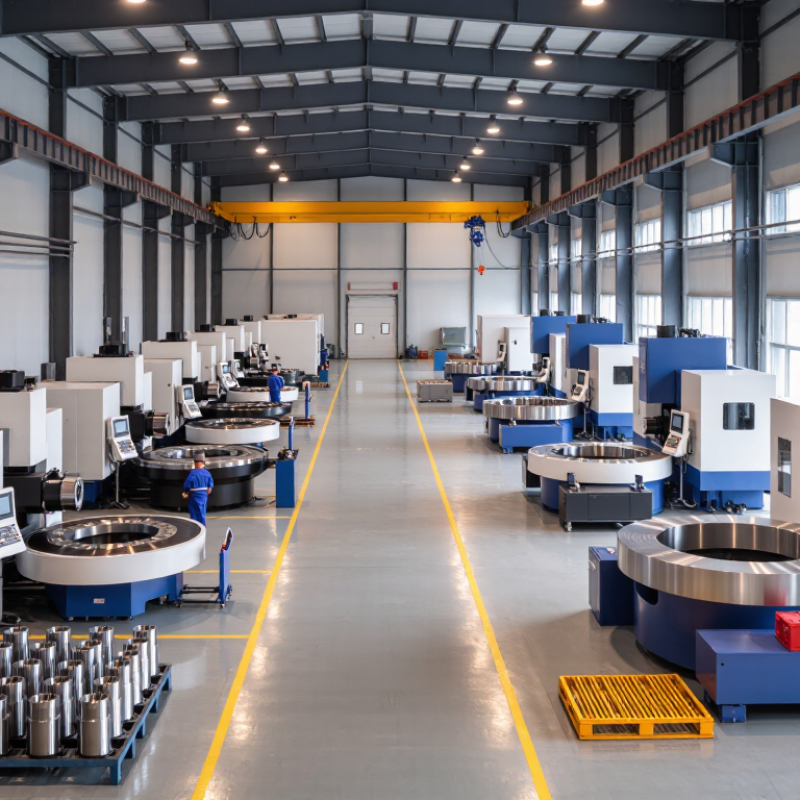
China Top 10 Vertical Lathe Manufacturers for Global Buyers

What Is a Vertical Lathe and How Does It Work?

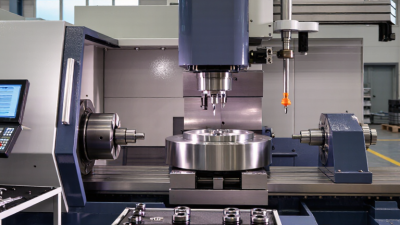
A vertical lathe, also called a vertical turning lathe, rotates a workpiece around a vertical spindle. The workpiece sits on a horizontal table or chuck, while a cutting tool moves across its face and outer diameter. Unlike a horizontal lathe, this layout supports heavy, wide parts with less overhang. Think of a large gear blank secured flat on the table. The spindle turns it, and the tool removes material in controlled passes. Not quite effortless. Secure clamping and accurate alignment remain essential.

Many machines use CNC controls to coordinate spindle speed, tool movement, and feed rate. An operator selects cutting parameters for the material and operation, then checks dimensions during machining. Vertical lathes commonly handle large rings, wheels, and other short, bulky components. Gardner Intelligence’s 2023 World Machine Tool Survey estimated global machine-tool consumption at about US$81.4 billion, roughly 4% lower than in 2022. This figure covers machine tools broadly, not vertical lathes alone, but it shows the scale of the wider manufacturing equipment market. Buyers should also compare table capacity, maximum turning diameter, and tool travel; a machine’s headline capacity may not match the dimensions of a real part.

Types and Applications of Vertical Lathes

Types and Applications of Vertical Lathes

A vertical lathe, also called a vertical turning lathe, holds a workpiece on a horizontal table. This layout helps support heavy, wide components during turning. Gravity keeps the part seated, though secure clamping and careful setup remain essential. Single-column machines suit many medium-sized parts and need less floor space. Double-column designs offer a broader, more rigid structure for larger workpieces. Both types can be configured for different cutting tasks.

Vertical lathes are used for components such as turbine housings, wheel hubs, large bearings, and industrial rings. Conventional models can work well for straightforward jobs and smaller production runs. CNC models support repeatable operations, including facing, boring, and contour turning. The right choice depends on part dimensions, material, tolerance, and production volume. A machine that looks suitably large may still lack the spindle power or tool capacity a job requires. That detail is easy to overlook.

Tips: Check the table diameter, maximum workpiece height, and rated load before comparing machines. Ask how the stated capacity changes with the actual workpiece shape. Also review setup access and chip removal; these practical details can affect daily use.

How to Compare Vertical Lathe Manufacturers

For global buyers comparing Chinese vertical lathe manufacturers, start with the workpiece, not the brochure. Note its diameter, height, weight, material, and required tolerances. Then compare each machine’s table size, maximum turning diameter, spindle torque, travel, and tool capacity against those needs. A larger specification is not automatically better. It may add cost without improving your actual production.

Ask for a sample machining plan or a test cut using similar material. Review the measured dimensions, surface finish, and cycle time, and request details about inspection equipment and acceptance procedures. Check what training, spare parts, and remote support are available after delivery. Clarify installation requirements, too: floor strength, power supply, and shipping arrangements can affect the project. A polished presentation is useful, but it cannot replace verifiable technical records. I would still treat a single successful test as limited evidence; repeatability matters.

Tips: Compare written quotations line by line. Ask which options are included, and record response times during technical discussions. If possible, inspect a machine under power. Small questions often reveal gaps. Don’t overlook them.

How to Compare Vertical Lathe Manufacturers

Suggested evaluation weighting for comparing suppliers. These illustrative percentages are a buyer-planning framework, not survey results or ratings of specific manufacturers.

Prioritize capacity and accuracy against your actual workpieces, then assess automation, local service, commissioning, and long-term operating costs.

China’s Top 10 Vertical Lathe Manufacturers for Global Buyers

China’s Top 10 Vertical Lathe Manufacturers for Global Buyers

China’s vertical lathe sector includes manufacturers serving job shops, heavy-equipment plants, and precision machining operations. A useful “top ten” comparison should look beyond catalog claims. Buyers need to match machine capacity to actual parts, including maximum turning diameter, workpiece weight, and required cutting depth. These details matter.

A capable supplier should explain its machine configuration clearly. Ask about spindle power, table speed range, CNC options, and the accuracy checks performed before shipment. Request inspection records and a test-cut video using material similar to your own. A large table may look impressive, but it does not prove stable machining under load. That takes evidence.

Global buyers should also examine commissioning support, operator training, spare-parts availability, and response times across time zones. Confirm what the quotation includes, such as tooling, installation guidance, and warranty coverage. Compare delivery schedules and payment terms in writing. A factory visit can reveal practical details: clean assembly areas, labeled components, and technicians who answer specific questions. Still, remote audits have limits. I would not treat a polished video as proof of long-term reliability; ask for references and verify them where possible.

How Global Buyers Can Evaluate Suppliers and Equipment

When comparing vertical lathe suppliers, start with the work the machine must perform. Record the largest workpiece diameter, height, and weight, then compare these figures with the machine’s swing, table capacity, and cutting range. Check spindle torque at the speeds you actually use; a high maximum speed alone tells little about heavy turning. Fit matters.

Ask suppliers for inspection records and sample machining results. A test cut on a similar material can reveal surface finish, dimensional consistency, and vibration that a specification sheet may not show. Confirm how accuracy is measured and whether the stated tolerance applies across the full working area. Details matter.

Evaluate support as carefully as the equipment. Ask who handles installation, operator training, spare parts, and troubleshooting, and request realistic response times. Speak with users running comparable parts if possible. A polished brochure can still leave gaps, and supplier answers may differ from shop-floor experience. That is worth checking. For international orders, clarify packing, commissioning responsibilities, documentation, and how technical issues will be handled across time zones before placing a deposit. A simple comparison table helps keep claims, evidence, and open questions in view.

Send your message to us:

WhatsApp Online Chat !